Keep looking ahead at a sustainable and circular future

At Upsyde, we embrace the challenges ahead and transform them into solutions. By recycling plastics and turning them into sustainable and 100% recyclable durable goods, we drive the shift toward a circular economy.

Companies partnering with Upsyde can advance their sustainability goals by contributing to reduce plastic waste and increase reusability, embracing a circular approach.

Offset Your CO₂ - With Every Mat

Our mats and heavy-duty mats are made from plastic waste that typically ends up incinerated. By choosing these mats, you avoid emissions twice:

1. Virgin plastic displacement: Recycled plastic replaces new (virgin) plastic production.

2. Avoided incineration: Diverting mixed plastics from burning prevents the CO₂ that incineration releases.

Your CO₂ impact per mat (60 kg recycled mixed plastic)

Avoided emissions

  • Virgin displacement: ~0.060 Tons CO₂ per mat
  • Avoided incineration: ~0.180 Tons CO₂ per mat
  • Total avoided CO₂: ~0.240 Tons (240 Kg) CO₂ per mat

What does 240 kg CO₂ mean in real life?

Truck fuel equivalency: Burning 1 liter of diesel emits ~2.68 kg CO₂. So 1 mat equals about ~90 liters of diesel not burned.

Truck distance equivalency: Typical EU heavy-truck fuel use is roughly 24–33 L/100 km depending on route/load. So 1 mat offsets approximately ~270–370 km of heavy-truck driving.

Freight work (ton-km) equivalency: Average road-freight intensity is about 62 g CO₂ per ton-km.  So 1 mat offsets roughly ~3,900 ton-km of trucking Example: a 20-ton truck for ~190 km.

Scale it to your project

  • 10 mats → ~2.4 Tons CO₂ avoided ≈ 900 L diesel or 2,700–3,700 km of heavy-truck driving.
  • 100 mats → ~24 Tons CO₂ avoided≈ 9,000 L diesel or 27,000–37,000 km of heavy-truck driving.

Recycling plastic waste into durable goods

Today, many plastics are either too difficult or economically unviable to recycle, often ending up in incinerators or landfills. At Upsyde, we provide a solution to recycle these challenging plastics and give them a second life. Additionally, we shred damaged or substandard pallets and Ground Protection Mats, reuse the material, and close the loop—promoting true circularity in our production.

Using our manufacturing process, we transform plastic waste into durable products such as pallets, ground protection mats, and heavy-duty mats. These sustainable goods are reusable, made with over 95% recycled materials, and are 100% recyclable at the end of their lifespan.

Which plastics can we recycle?
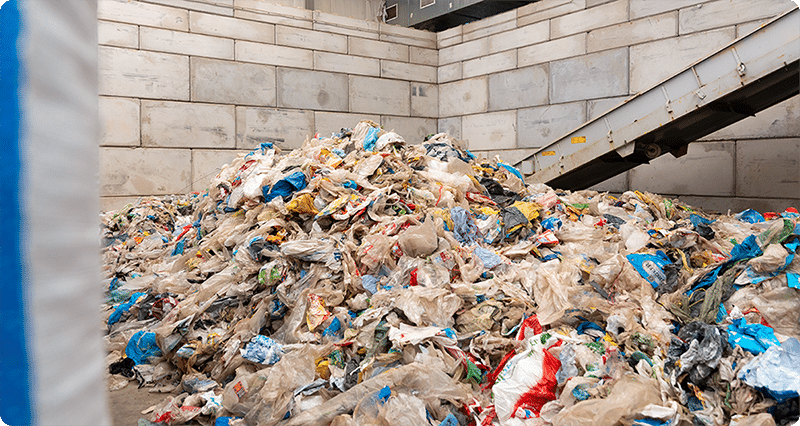
MIXED PLASTIC WASTE

Mixed post consumer waste. In the classical process, this is not the preferable option, as is less profitable.

MIXED PLASTIC WASTE Image

UNDERSIZED PLASTICS

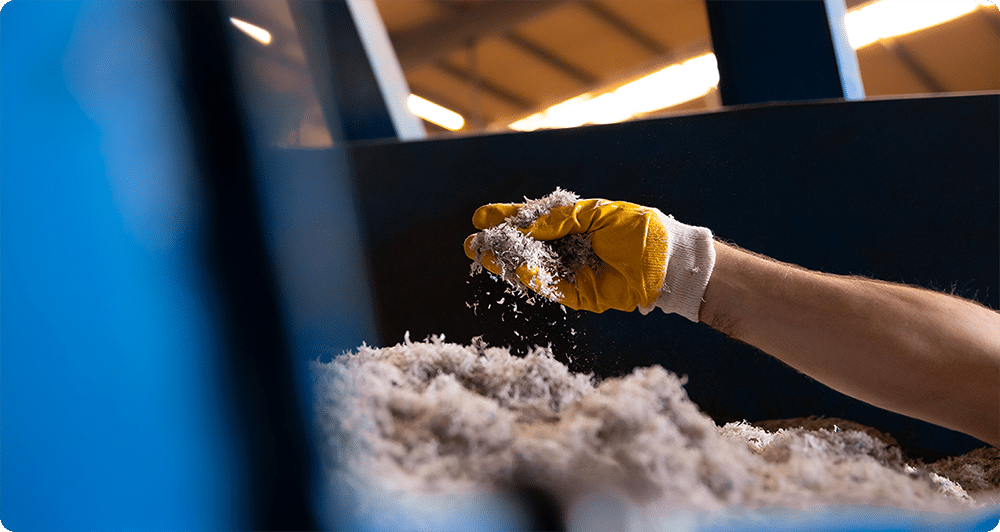
These are fine rejects of recyclers. Standard mechanical recyclers struggle to reprocess those.

UNDERSIZED PLASTICS Image

"WASTE OF WASTE"

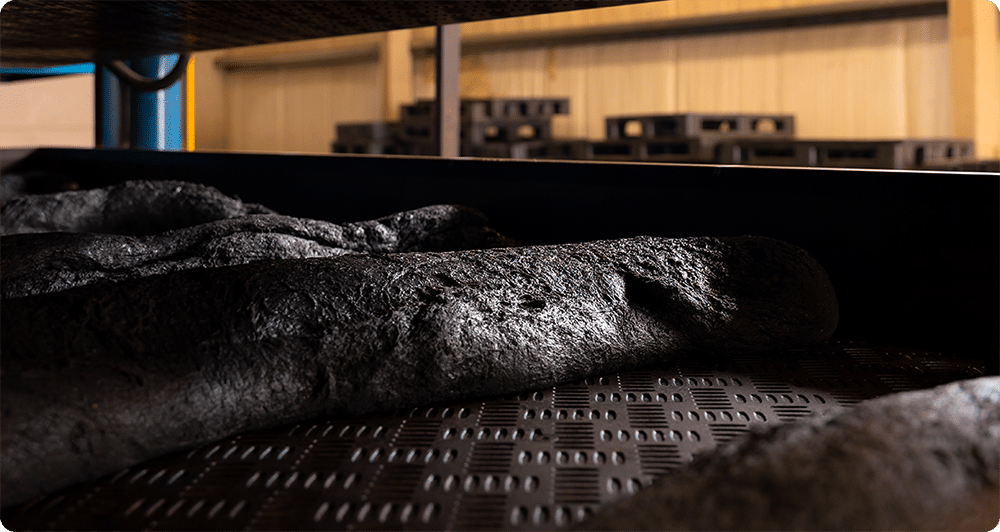
These are byproducts of recycling process which usually cannot be further used.

"WASTE OF WASTE" Image

Our take on Upcycling

Upcycling is a term used in a variety of contexts and businesses. Our take is that upcycling is the act of reusing or recycling discarded products or materials to create a product of higher quality and value – monetary or environmental – in comparison to the original one.

At Upsyde, that is exactly what we do: recycle plastics and turn them into durable goods, such as pallets, mats and heavy-duty mats.

Our Process

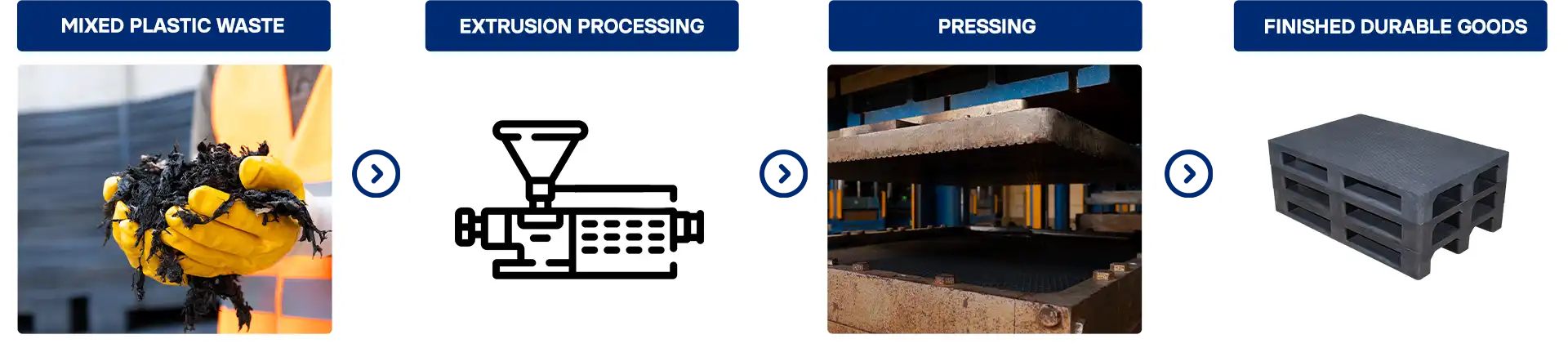
At Upsyde, our manufacturing process is designed to recycle plastics into durable products. Using extrusion processing, we first melt recycled plastic materials. The material is then pressed into molds under high pressure to achieve the desired strength and durability.

This process results in the creation of our finished goods: plastic pallets, mats, and heavy-duty mats. Each step is carefully optimized to deliver reliable products that meet industrial standards while contributing to a circular economy by giving waste plastics a new purpose.


Our Process Image